Smartphones Are Getting Dumber Every Year
I’ve been into smartphones since around 2003. Over the years, I’ve used a wide range of mobile operating systems, including Java-based phones, Symbian (S60/UIQ), Windows Mobile, Windows Phone, Maemo, Palm OS, iOS, and Android.
I consider myself a power user. I don’t use smartphones primarily for entertainment—I use them as productivity tools. What matters to me is having full control: access to the file system (including system directories), the ability to inspect every created file, modify / tweak critical files, perform full backups. In short, I want a device that behaves like a real computer, not a restricted appliance.
I also avoid ecosystems that require mandatory accounts or cloud synchronization just to use a device I already own and paid for it.
IN THE BEGINNING THERE WAS J2ME
You could assume that Java phones were primitive but compared to modern platforms they offer good freedom. While technically limited in hardware access and multitasking, J2ME environments were often less restrictive in distribution and experimentation. Let’s start by saying that Java phones were a huge success but people back then had no idea of their power. Java phones had hundreds of awesome apps and games that you could get from wap sites or the web. They had powerful file managers like Centurion, there were apps with which you could perform bluetooth attacks and steal contacts and messages from other phones (Bluesnarf attack), it was also possible to send via bluetooth or IrDA the java executables (with jar extension) into other Java phones and create bluetooth rooms for chatting, or play multiplayer games. I was in school back then and remember that students from all classrooms came into my class and ask me ‘are you the guy that sends games and programs?’. Of course java phones were no smartphones, apps were sandboxed and there was not much interaction between these and the operating system. For crazier needs we got smartphones.
THE SMARTPHONE ERA
First smartphone operating system that got into my hands was Symbian S60.
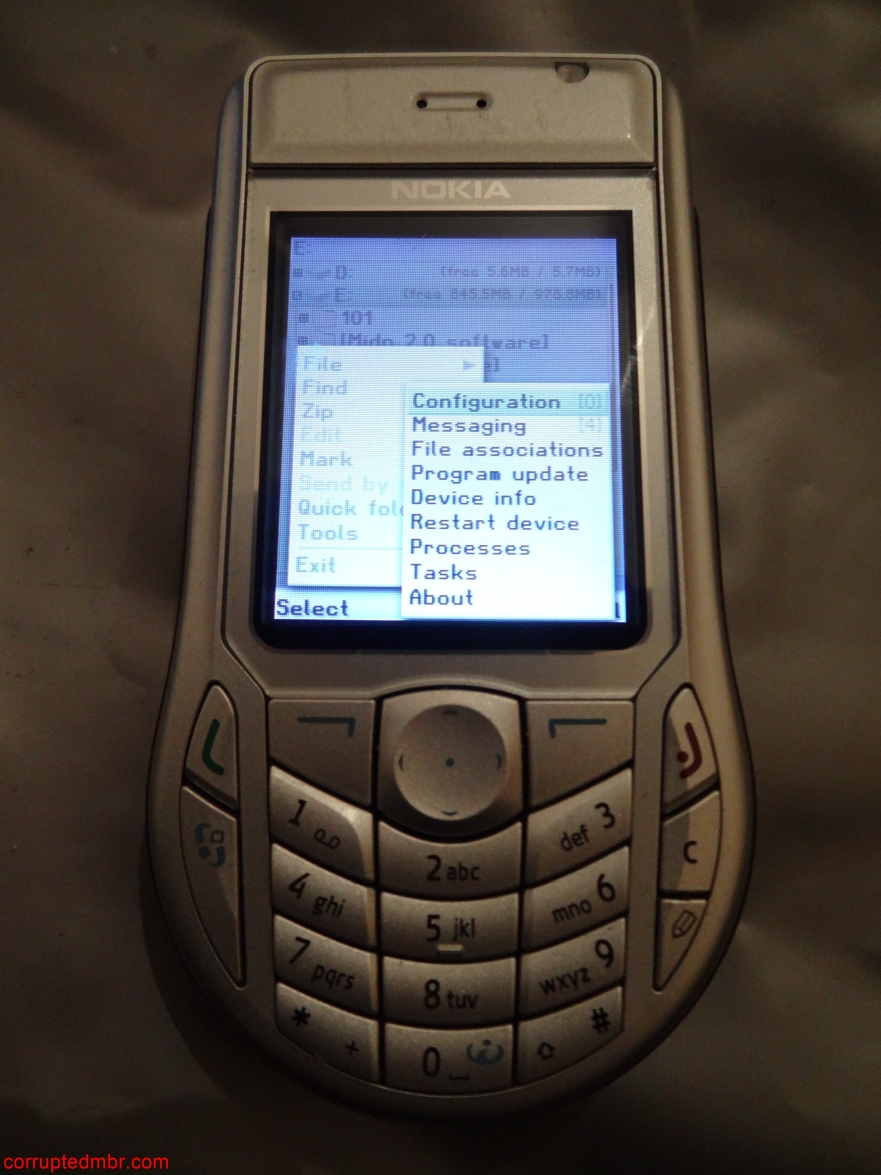
You will probably know it from Nokia 3650 or Nokia 6600 which was a huge success, or maybe from later Symbian versions like v5 in Nokia N95. I was totally hooked with their capabilities and file managers like SeleQ from Ximplify or Xplore from lonelycatgames played their role on that. User was able to see the different partitions including the ROM and SYSTEM partitions and copy files from these partitions to the memory card. You could send Flash SMS, a special type of SMS that pop ups in the recipients screen and wont be saved in the messages folder. You could pack your installed software into sis (executable file for Symbian) and send it to other phones though many file managers restrict that ability. I also got infected by the first smartphone virus ever named Cabir which could replicate and send itself via bluetooth and i’ve purposely installed a 2nd virus called Skullz which would turn all icons into skulls that do absolutely nothing. You could reset the phone by holding some buttons and you could see a progress bar letting you know about the format procedure. These systems provided significantly more visibility into internal operations than modern smartphones, but they lacked robust security models, making them highly vulnerable.
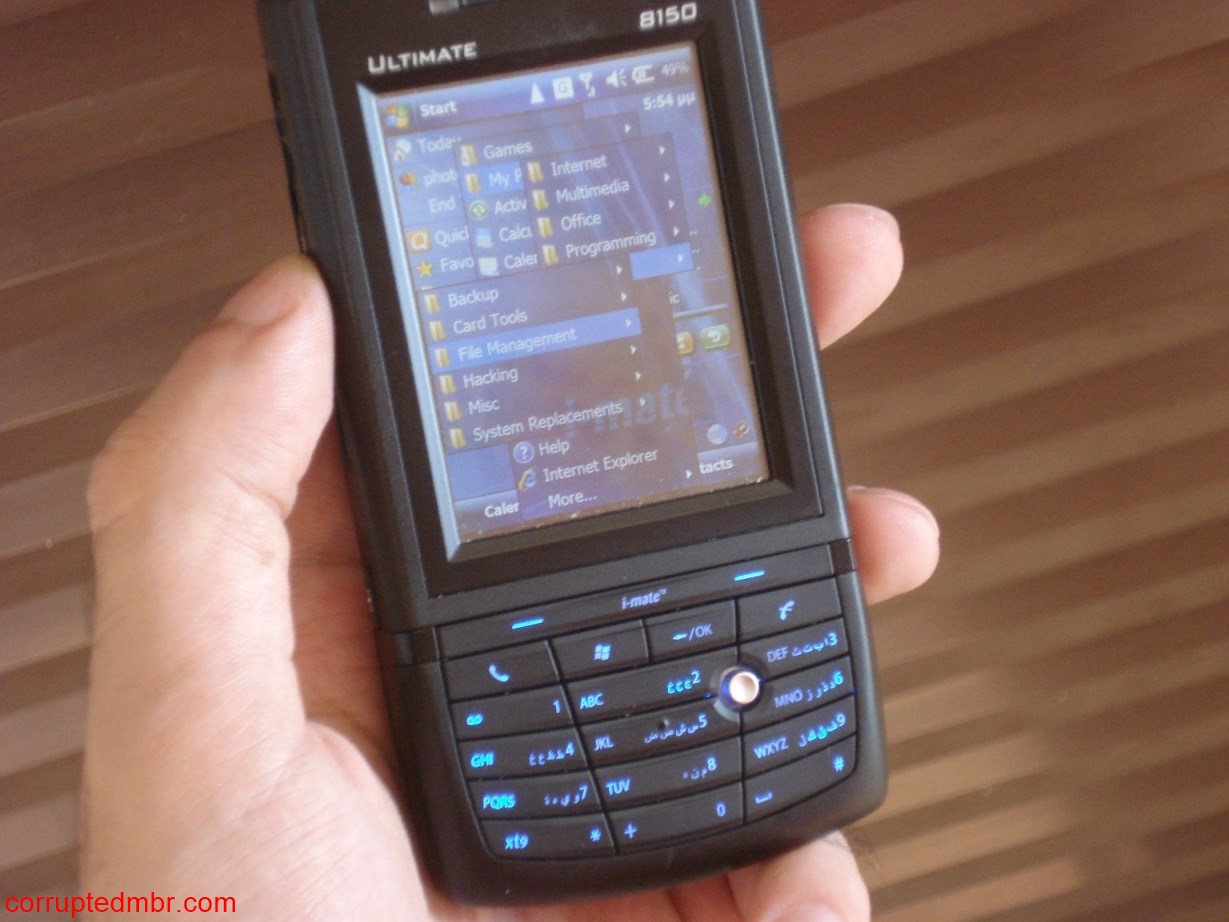
[iMate Ultimate 8150: A Powerfull Windows Mobile Device With GeForce 5500 And One Of The Worst Batteries I Have Ever Seen. Such A Shame.]
Windows Mobile from Microsoft was powerful but luggy. It attempted to bring desktop paradigms into mobile computing, which created flexibility but also usability and performance issues. After some years, Microsoft tried to follow the tablet trend that Apple has started with iOS, abandoning Windows Mobile for the sake of Windows Phone, this came at the cost of reduced flexibility and a tightly controlled ecosystem, which alienated power users despite improvements in user experience.
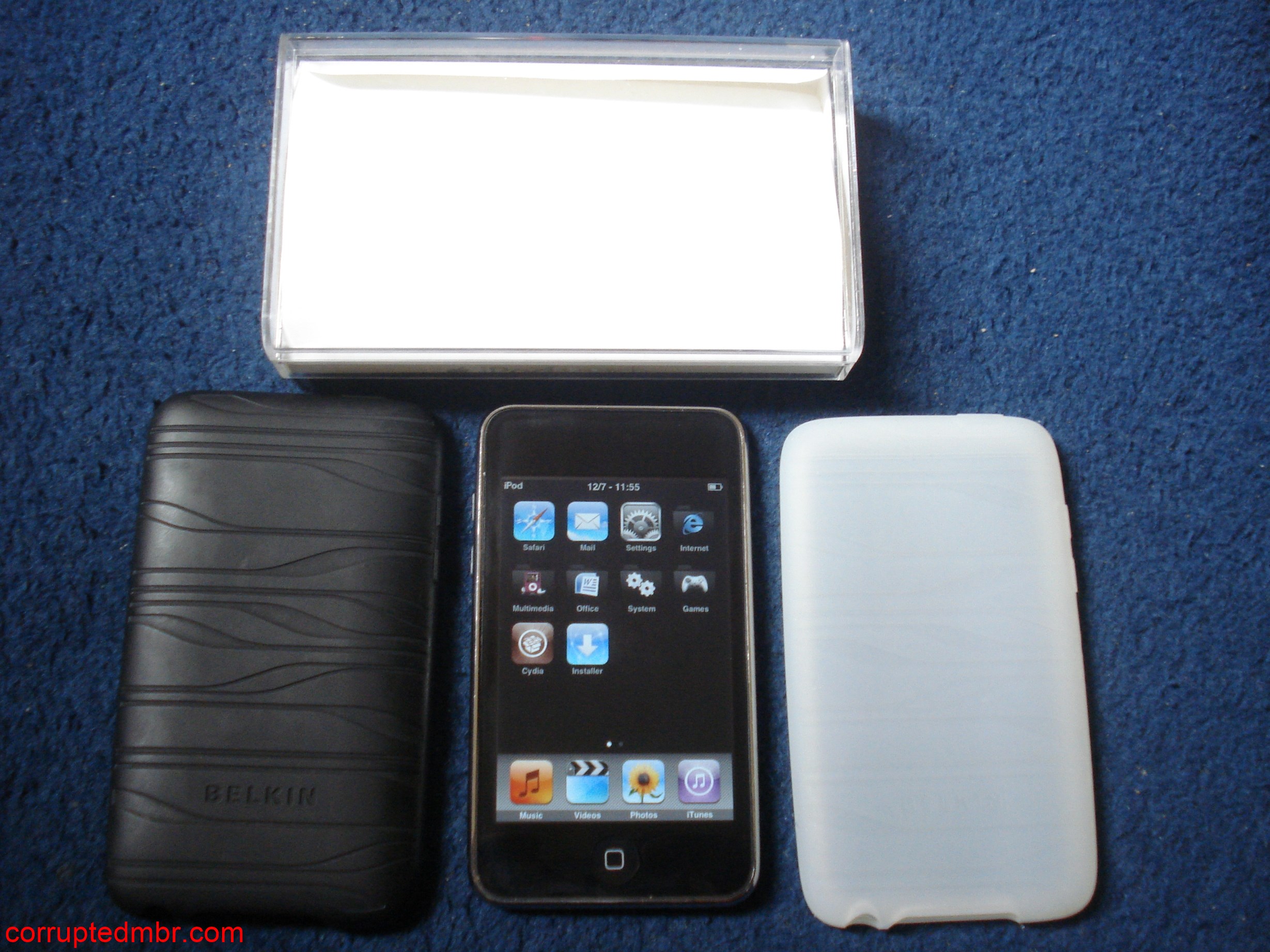
[iPod Touch: A Great Multimedia Device And Smartphone But Without Cellular Capabilities, For 1/3 Of iPhone Price]
Apple’s introduction of iOS fundamentally changed the industry. It is accurate to say that Apple redefined smartphones by prioritizing security, consistency, and user experience over system-level openness. This shift introduced strict sandboxing, mandatory code signing and centralized app distribution. These design decisions significantly improved security and usability but reduced user control. Jailbreaking partially restored that control, but it remained a workaround rather than a native capability.
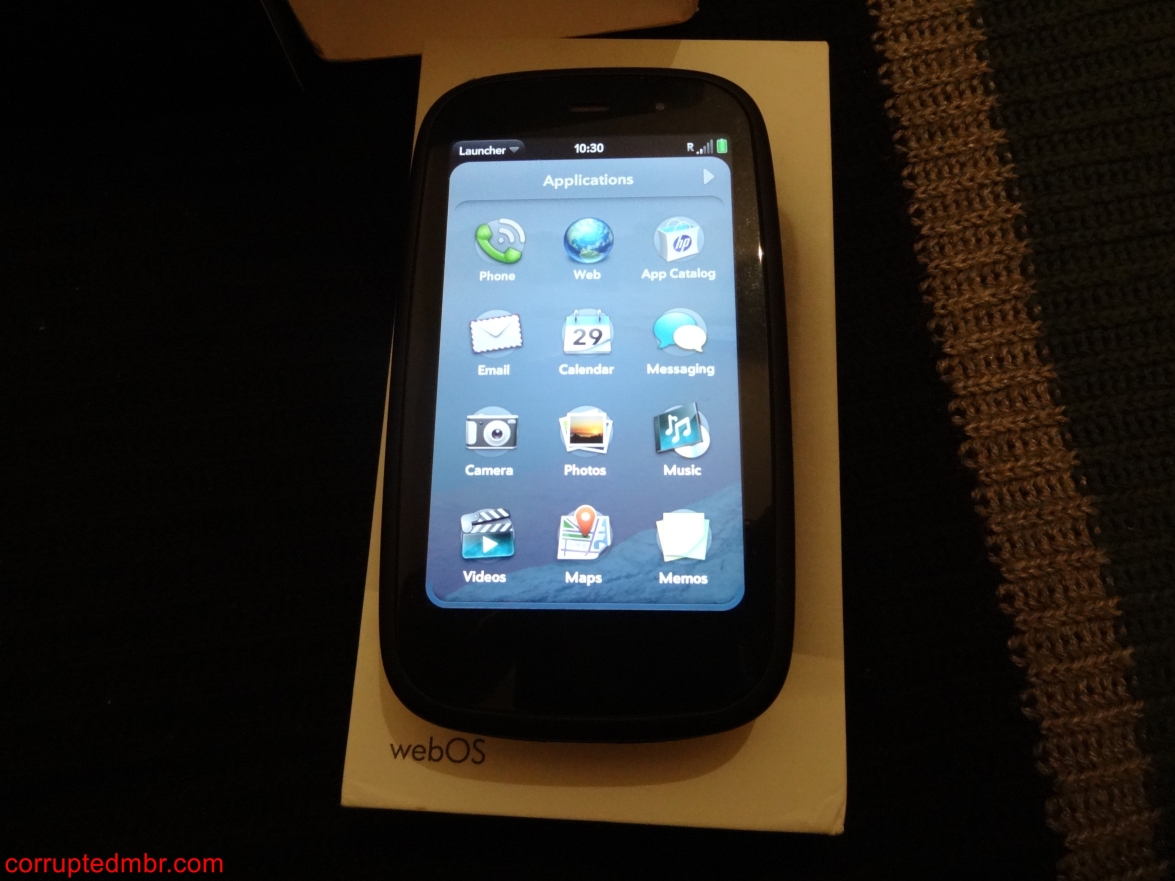
[Palm Pre 3: WebOS. One Of The Prettiest Operating Systems]
WebOS was Palms suggestion that unfortunately died quickly. It had a minimal and extremely beautiful interface combining features from both Android and iOS. It wasn’t exactly a power users choice since it was a quite locked down operating system and which didnt get much attention from software developers, but UI and size were top notch.
MAEMO AND PEAK USER CONTROL
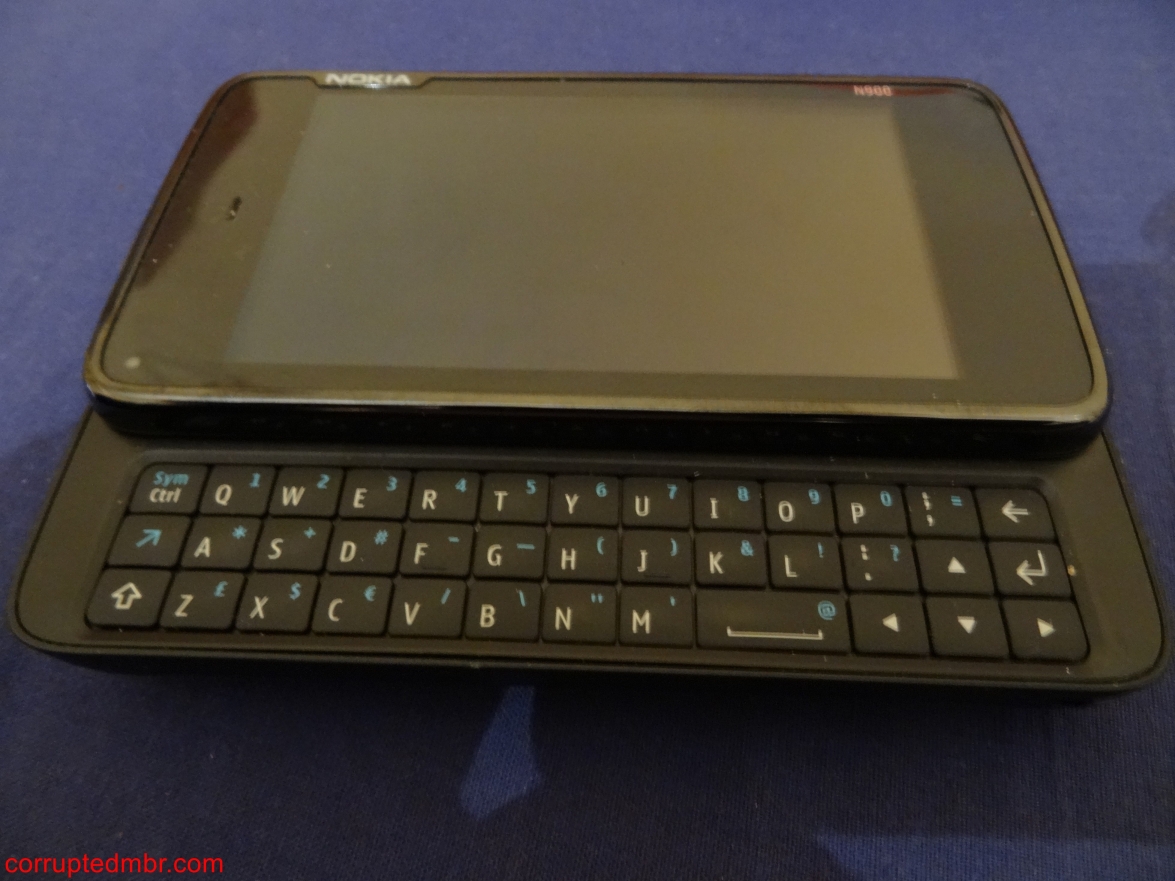 [Nokia N900: For Me, This Is The Most Powerful Smartphone Ever Made]
The last mobile operating system that managed to impress me was Maemo which was a Linux based operating system developed by Nokia and you could find it in just 4 devices (3 tablets with no cellular calls capability: Nokia N770, Nokia N800, Nokia N810 and one phone: Nokia N900). These devices were crazy powerful, for reference Nokia N900 got kernel drivers that added monitor mode and packet injection capabilities making it the only mobile device that could capture WEP / WPA handshakes from wireless networks and crack their keys using aircrack-ng. You could unlock it in a few seconds and gain root, replace bootloader with various tools like backup menus that could image the whole operaring system into an external card, replace operating system with android, windows phone, or MeeGo (or install different operating systems in different partitions and use a custom menu, write operating system entries to it, and use it to load your preffered OS upon boot), run full metasploit framework to create payloads and exploit network devices, possibilites were endless though both screen size and keyboard were not ideal for such use cases.
Ironically, Nokia N900 has a WebOS player that good perfectly run Palm Pre games.
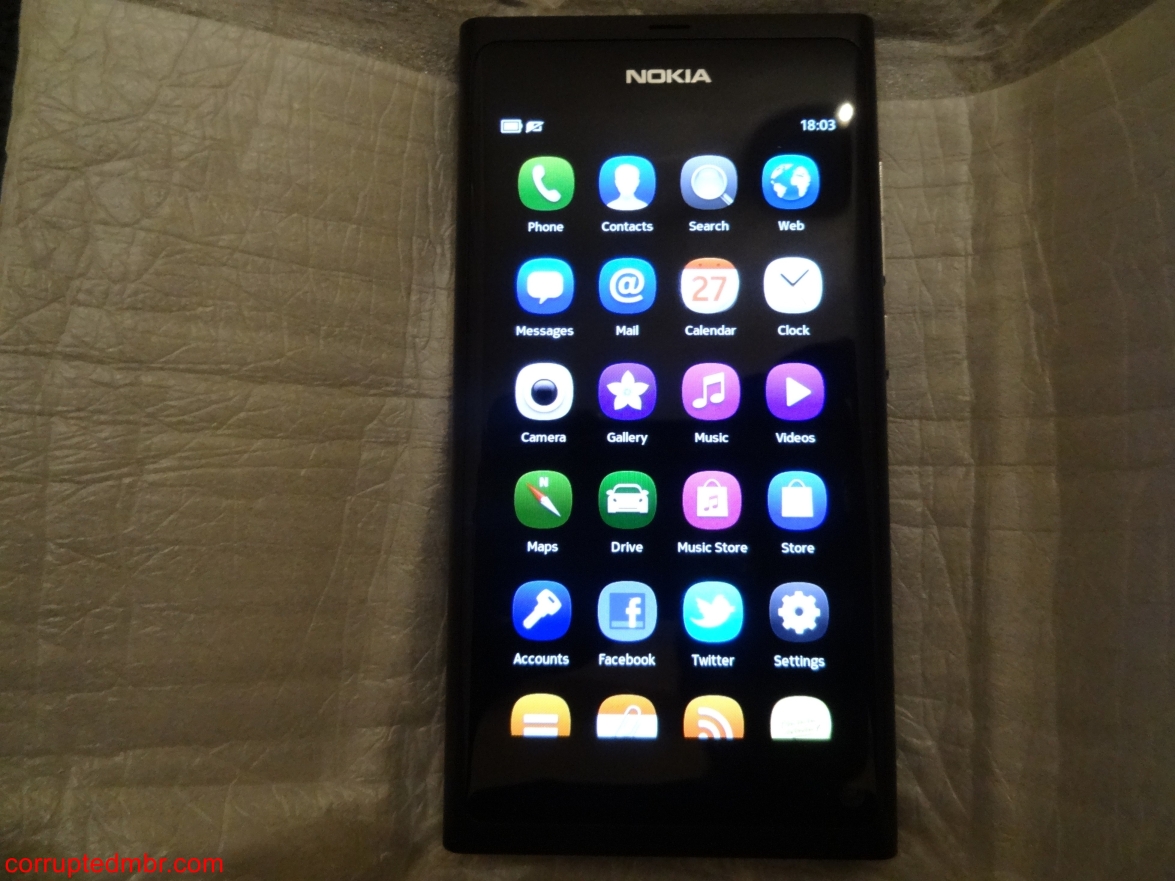
[Nokia N9: The Only Device With MeeGo Operating System]
Nokia let Maemo die and replaced it with MeeGo which got just one device, Nokia N9. It was another attempt to replace an operating system which was meant for power users, with one that just wanted a piece of the iOS pie.
HOW OS AND DISTRIBUTION OF APPLICATIONS AFFECTED THEIR QUALITY
In the absence of integrated digital storefronts within operating systems, users were required to manually source applications from websites, often searching for files in formats such as SIS, JAR, or CAB. Despite this fragmented distribution model, application quality was generally high, as developers targeted a niche audience of technically proficient power users who were capable of discovering and installing such software.
The installation process itself was non-trivial and frequently required additional hardware, such as Bluetooth or infrared dongles, along with desktop software like Nokia PC Suite to transfer files to devices. Consequently, the barrier to entry limited widespread adoption of third-party applications. Many users who owned early smartphones were unaware of their devices’ capability to run applications or games. For instance, devices like the Nokia 6600 achieved commercial success primarily due to features such as their VGA cameras, rather than their smartphone functionality, which remained largely utilized by advanced users.
Additionally, these early mobile operating systems often exposed a greater degree of system-level transparency compared to modern platforms. However, this openness came at the cost of security, as they lacked robust protection mechanisms and were therefore significantly more vulnerable to exploitation.
CURRENT STATE
Modern smartphones are increasingly characterized by restrictive ecosystems and limited user control.
For example, Xiaomi requires users to engage with its community forums and accumulate participation points before becoming eligible to request bootloader unlocking—a process that may take several weeks for approval. Similarly, Samsung employs a hardware-backed security mechanism known as Samsung Knox, which permanently records root attempts. Triggering this mechanism can void warranty support, even in cases where subsequent hardware issues are unrelated to software modification.
More broadly, many manufacturers appear to implement deliberate barriers that limit user ownership and control over their devices. While there have been exceptions—such as the Xiaomi Mi A series, which offered a relatively clean and open Android experience—such initiatives have largely been discontinued in favor of more tightly controlled ecosystems that often include proprietary services and advertising integrations.
Alternative mobile operating systems do exist, but each comes with notable limitations. Platforms like KaiOS and Sailfish OS are available on select devices but generally lack the performance and application ecosystems expected by advanced users. Devices such as the PinePhone offer a more open and developer-friendly environment, yet remain constrained by limited hardware support and a relatively niche user base. Similarly, Maemo Leste represents a modern continuation of earlier mobile Linux efforts, but its compatibility is largely restricted to legacy hardware, making it impractical as a primary daily-use platform.
In contrast, iOS remains one of the most restrictive platforms from a power-user perspective. Even with jailbreaking, its closed architecture and premium pricing model significantly limit its appeal for users seeking deep system control.
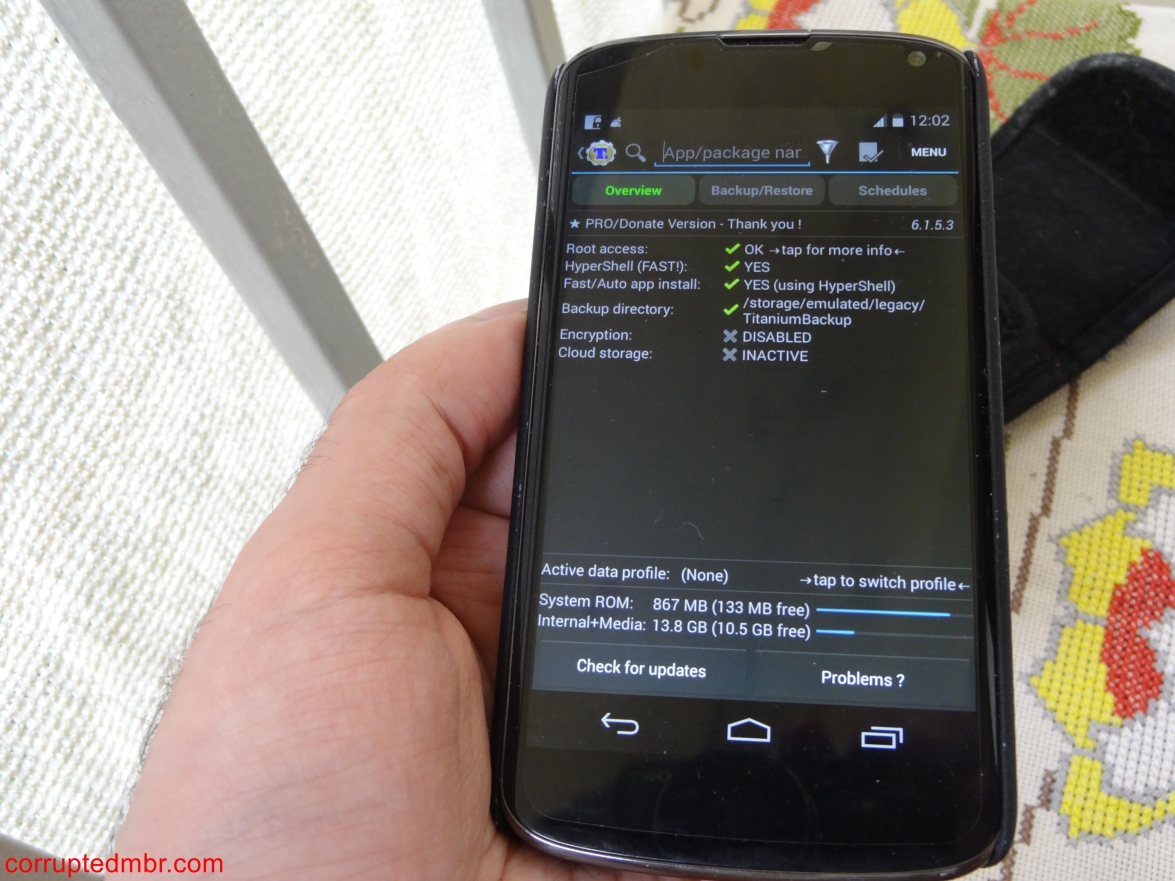 [LG Nexus 4: Running Titanium Backup. Probably The First App That Power Users Used To Install Back Then After Rooting Their Device.]
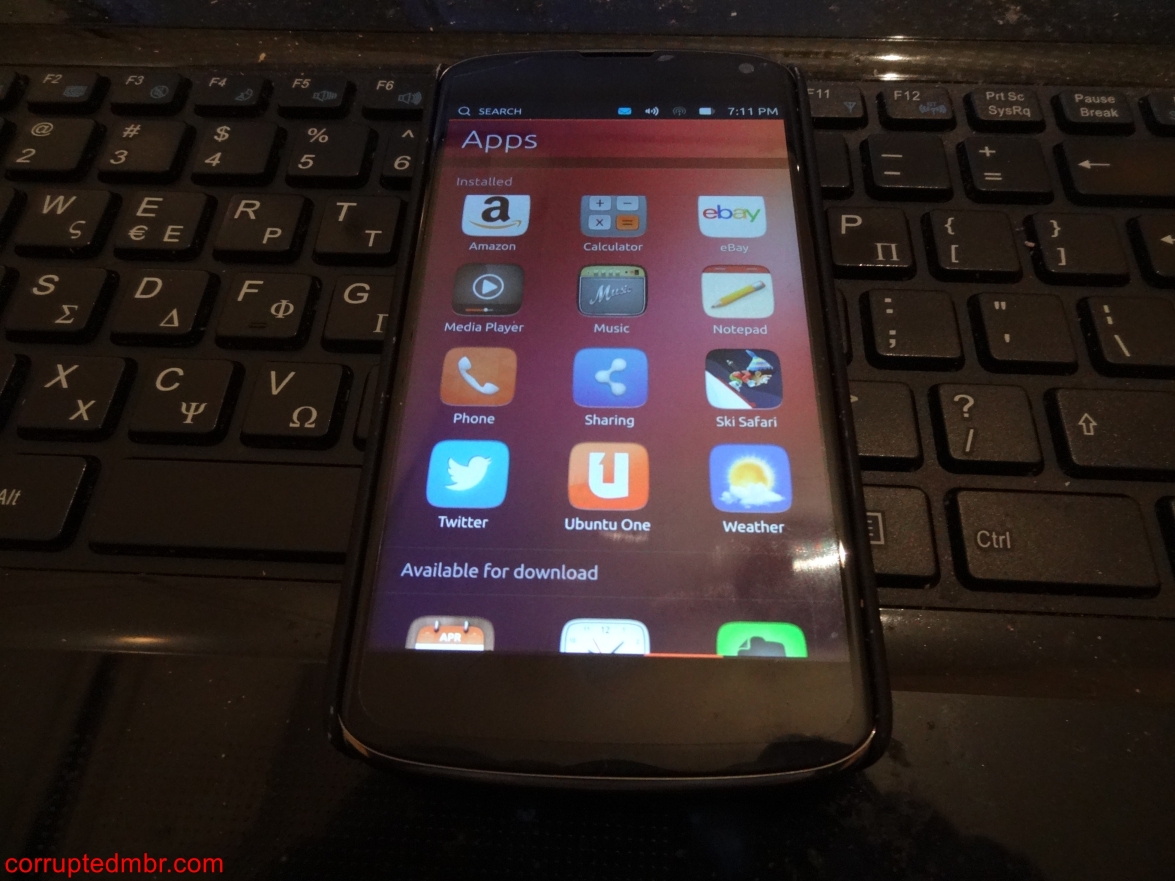 [LG Nexus 4: Ubuntu Touch ROM]
For advanced users today, the most viable option remains Android—albeit with caveats. Device choice is critical, with Google’s Google Pixel series standing out as particularly flexible. These devices typically allow straightforward bootloader unlocking via command-line tools, support rooting, and benefit from extensive custom ROM ecosystems. They are also compatible with privacy-focused operating systems such as GrapheneOS. Even without modification, Android provides users with the ability to disable pre-installed applications, including core Google services, and does not strictly require signing into an app store—an important consideration for those concerned about data centralization and privacy.
SO…
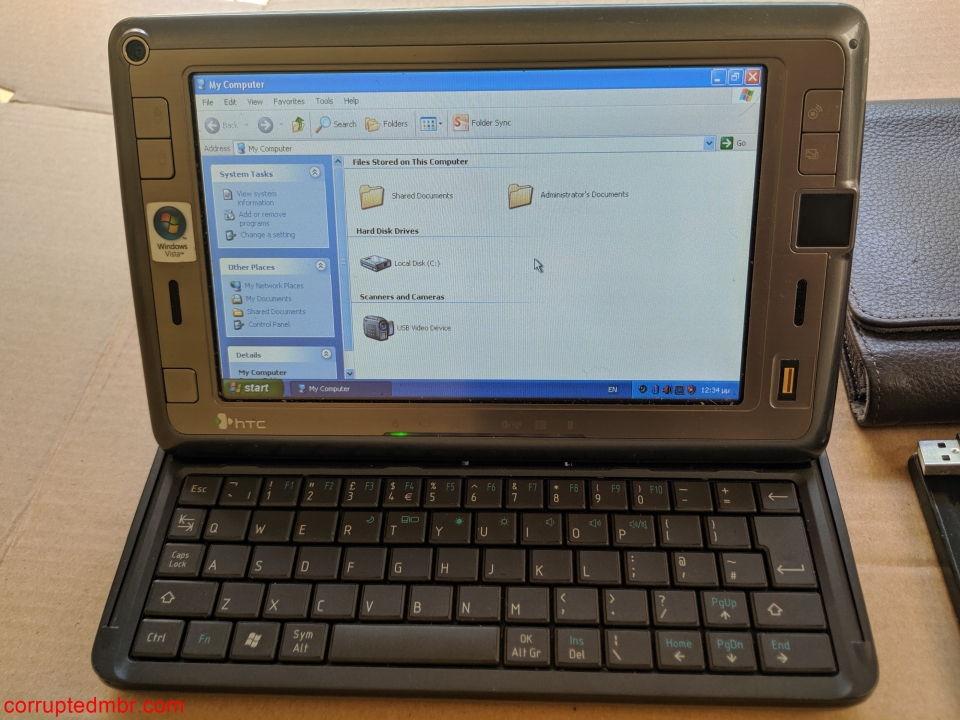
[HTC Shift: A Portable Computer Which Could Load SnapVUE With A Press Of A Button. Via Custom Roms, You Could Also Perform Cellular Calls.]
How did the industry arrive at this point? The primary driver is the economic reality that consumer technology companies optimize for scale and profitability. As a result, product design decisions are largely guided by the preferences of the mass market, which typically prioritizes convenience, aesthetics, and entertainment over technical flexibility or system-level control.
Mainstream users tend to value high-resolution displays, visually appealing interfaces, casual gaming, and seamless access to social media platforms. Trade-offs such as reduced battery longevity or increased system overhead are often considered acceptable. Likewise, requirements such as mandatory account sign-ins are widely tolerated, despite their implications for privacy and data centralization.
In this context, advanced use cases—such as deep customization, unrestricted software installation, or access to low-level system functionality—have become secondary considerations. Where earlier generations of software development often catered to technically inclined users, modern ecosystems are increasingly structured around monetization strategies. These include device sales, data collection, and the integration of advertising or subscription-based services at the operating system level.
Importantly, this shift persists because it aligns with prevailing user expectations. The majority of consumers accept, and in many cases prefer, tightly integrated and managed environments, even when this comes at the expense of openness, privacy, or long-term device autonomy.
I’m closing this post with a photo of five of the most special smartphones as a reminder that this market may never return to its former power-user era. Increasingly, consumers are prioritizing closed ecosystems that limit how they can truly leverage their devices. With the rapid rise of AI—integrated not only into software but also into hardware—paying a premium price for a phone will no longer be enough. We are now expected to contribute our personal data to train these systems, shifting our role from owners to participants in platforms that ultimately own the experience.
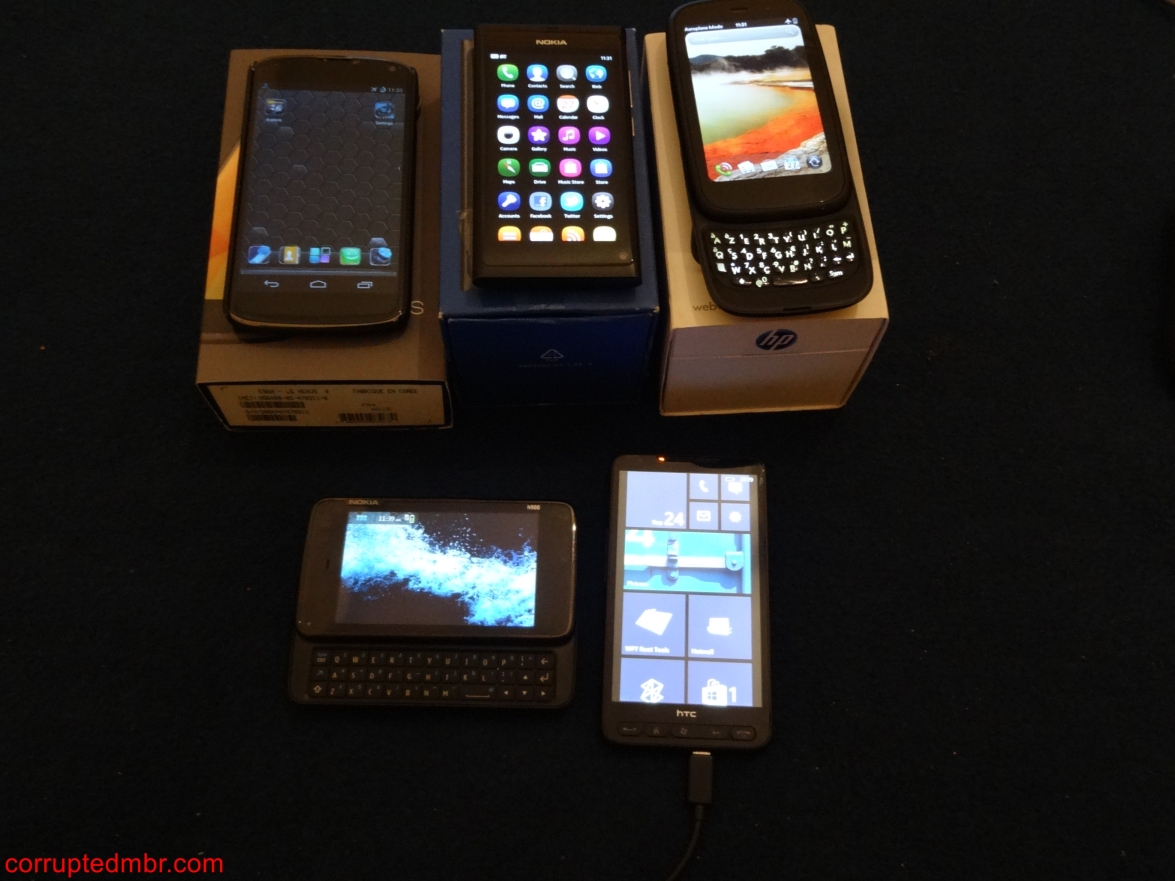
[From Top Left To Bottom Right: LG Nexus 4 (Android), Nokia N9 (MeeGo), Palm Pre 3 (WebOS), Nokia N900 (Maemo), HTC HD2 (Windows Mobile)]